

By Gloria Martinez – Womenled.org

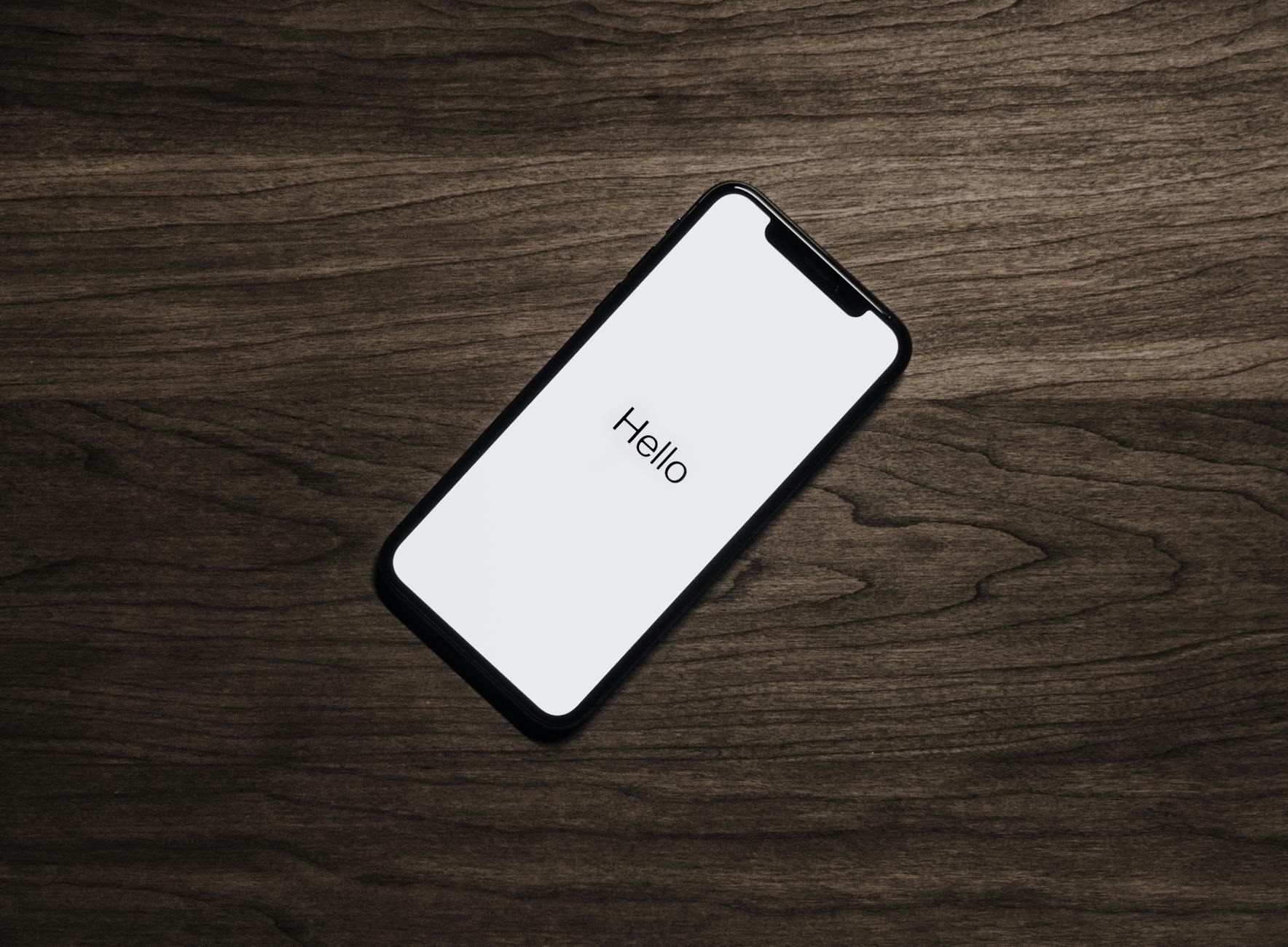
Busy parents juggling work and wellness, students balancing deadlines, and professionals living in constant notifications often carry the same quiet burden: technology overwhelm that turns every spare moment into more input. The core tension is simple and exhausting, staying connected can create digital stress, scattered thoughts, and an uneasy sense of emotional disconnection from what’s actually being felt. For general readers seeking mindfulness, this isn’t about quitting devices; it’s about noticing when screens start running the nervous system. With mindful reconnection, attention can return to the present.
Quick Summary: Mindful Tech for Calm
- Start by noticing how technology affects your mood, attention, and sense of connection.
- Set clear boundaries around screen time to protect calm, focus, and emotional self-connection.
- Use intentional pauses and mindful check-ins to reset your nervous system during tech use.
- Choose technology that supports mental clarity and spiritual reconnection instead of constant stimulation.
Understanding Mindful Technology Use
A helpful way to think about mindful technology is using your devices with awareness, not autopilot. It means pausing to notice what you feel, choosing a purpose for your screen time, and letting tech support your values instead of hijacking your attention. It can also include calm, creative expression that grounds you rather than distracts.
This matters because your phone can either amplify stress or become a steadying tool. When you use it intentionally, you often get more emotional balance, clearer thinking, and a deeper sense of meaning. Many people call this kind of inner expansion expanding consciousness beyond constant urgency.
Picture reaching for your phone after a tense meeting. Instead of scrolling, you open a notes app, name the feeling, then sketch a simple pattern or color wash to settle your body. The device becomes a quiet studio, not a noise machine.
Start with a daily sequence: check in, set one intention, create a soothing visual, then reflect.
Build a Daily Mindful Tech Reset
This short sequence turns your phone from a reflex into a support tool: you’ll name what you feel, choose a purpose, create a calming visual, and learn what helps you settle. It matters because a few intentional minutes can reduce mental noise and make your screen time feel steady instead of draining.
- Step 1: Do a 60-second emotion check-in
Open Notes and write: “Right now I feel ___ because ___.” Add one body cue (tight chest, buzzing mind, heavy shoulders) so you are tracking sensations, not just thoughts. If you want a gentle on-ramp, start with a 5-minute meditation to slow down before you type. - Step 2: Set one clear intention for your device
Write a single line: “My phone is for ___ for the next ___ minutes.” Keep it specific and time-bound, like “text one friend back for 5 minutes” or “play a calming playlist for 10 minutes,” so you can notice when you drift. - Step 3: Turn one journaling prompt into a soothing visual
Choose a prompt such as “What do I need right now?” or “What am I carrying that I can put down?” Then create a simple image that matches the answer: a color wash, three shapes, a spiral, or a small collage using a basic drawing app, markup tool, photo editor, or an AI art generator. The goal is not “good art,” it is giving your nervous system a quiet focus. - Step 4: Reflect and capture one insight you can repeat
Write two lines: “Before: ___” and “After: ___,” rating your stress from 1 to 10 if that helps. Over a week, you can track your digital usage alongside your notes to spot which intentions and visuals actually calm you.
Keep it simple, keep it daily, and you’ll build proof that calm is something you can practice.
Mindful Tech Habits That Build Lasting Calm
Try these repeatable practices to make it stick
Small rituals turn mindful tech from a one-time reset into a steady way of living. Because your brain prefers the path of least effort, simple cues and consistent timing help you stay calm and connected even on busy days.
Bookend Your Day with a Phone Boundary
- What it is: Keep your phone out of reach for the first and last 15 minutes.
- How often: Daily
- Why it helps: It protects your nervous system from instant stimulation and late-night scrolling.
One-Screen, One-Task Rule
- What it is: Do one activity only, with all other apps closed.
- How often: Daily
- Why it helps: It reduces attention residue and makes your mind feel less scattered.
Calm Cue Wallpaper
- What it is: Set a lock screen with a gentle reminder and a single breath cue.
- How often: Weekly
- Why it helps: The path of least resistance becomes a pause instead of a scroll.
Two-Minute “After” Note
- What it is: Log one sentence on how you feel after using your device.
- How often: Daily
- Why it helps: You learn patterns and change sticks across the habit formation range.
Pick one habit this week, then adjust it to fit your family’s rhythms.
Building Calm and Connection Through Reflective Technology Use
Screens can keep life moving, yet they can also scatter attention and leave the mind feeling noisy and disconnected. The way through isn’t rejecting technology, but practicing empowerment through mindfulness and reflective technology use, meeting each tap and scroll with a supportive mindset and a clear intention. Over time, this approach builds steadier calm, stronger self-trust, and more choice in how attention is spent. Mindful tech use turns attention into a place you can return to. Choose one gentle next step today: pause before unlocking your phone and ask what you need most right now. This matters because resilience and real connection are built moment by moment, and those moments shape the life being lived.
Discover inspiring stories of ordinary people achieving the extraordinary at Shining a Light and join a community that celebrates resilience, empathy, and personal growth.